
Traumatic vaginal births putting women at risk
Women need better information about the risks associated with vaginal births, with close to 30 per cent experiencing substantial trauma, according to new research.
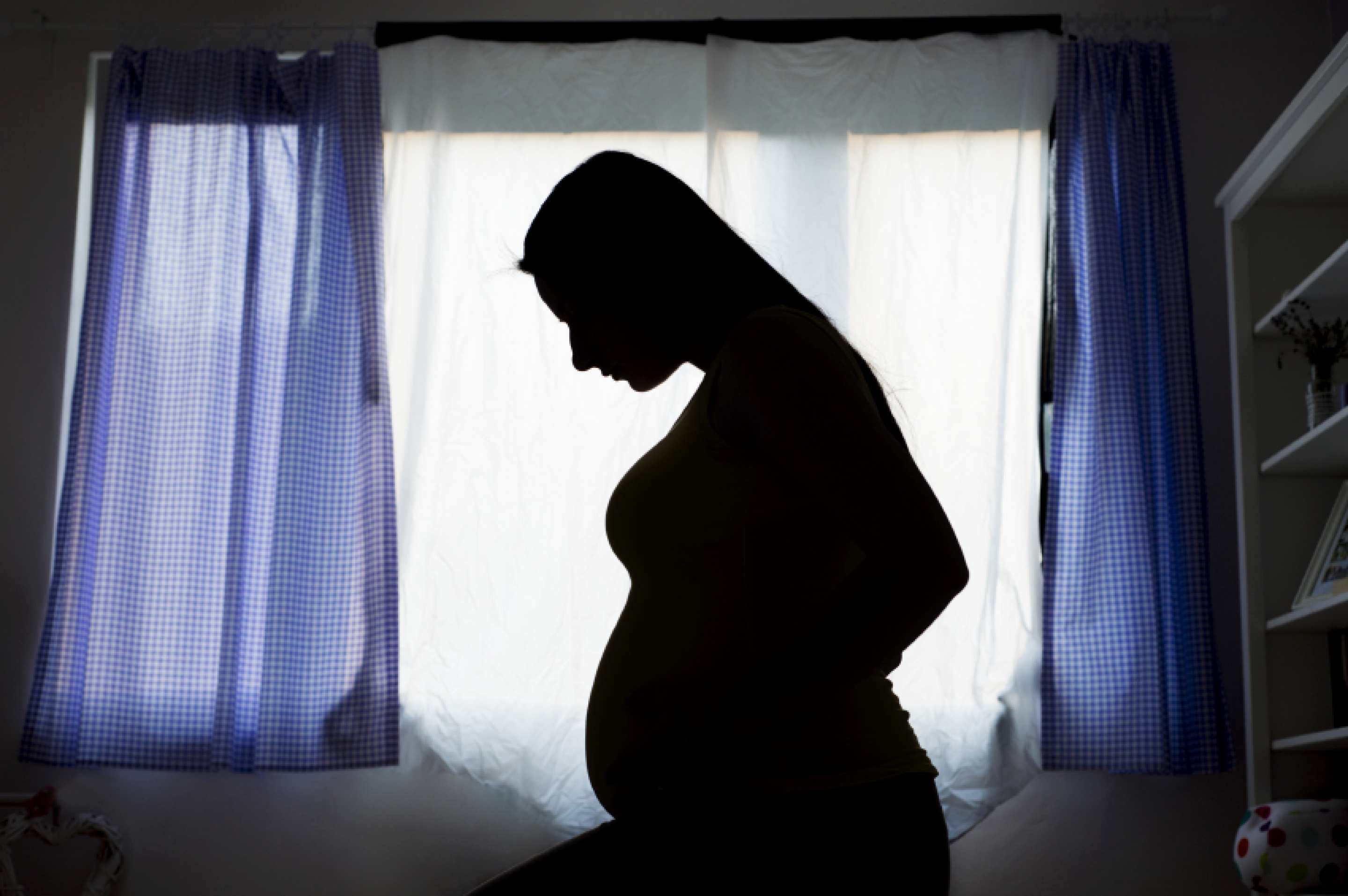
“Mothers do much more damage to themselves when having babies than we were aware of in the past,” says Dr Peter Dietz, Professor of Obstetrics and Gynaecology at Sydney Medical School.
“Originally, we thought just a few per cent of women experienced substantial trauma but it is actually closer to 30 per cent of all women who deliver babies vaginally.”
Professor Dietz says vaginal birth trauma can damage the pelvic floor muscle and anal sphincter, leading to pelvic organ prolapse and fecal incontinence.
“In fact, 20 to 30 per cent of first time mothers experience trauma to their pelvic muscles and external anal sphincter muscles during a vaginal birth. Consequently 20 per cent of Australian women need surgery for this later in their lives,” he said.
“Major pelvic floor trauma suffered during vaginal childbirth seems to be a marker for psychological trauma, including post-traumatic stress disorder resulting from difficult deliveries. Many doctors and midwives are unaware of this.”
First time mother and registered nurse Anne sustained severe damage from her vaginal birth that five years later she suffers frequent passing of urine, prolapses and a dragging feeling in her pelvis.
"I can no longer run long distances and I'm unable to participate in races like the City to Surf, which I did pre-baby. I continue to struggle interpersonally. I'm now single and the thought of having to tell a prospective partner of my condition is difficult," she says.
While physical trauma may take decades to manifest as fecal incontinence or female pelvic organ prolapse, psychological impacts are much more likely to be immediate, according to midwife and University of Sydney PhD student, Liz Skinner.
“Qualitative research to date reveals limited understanding of women’s post-natal physical and psychological experiences and subsequent health problems,” says Ms Skinner.
“We need to understand how we can better help women who’ve sustained these injuries by acknowledging their concerns and providing diagnostic and therapeutic services. This is unlikely to occur unless health practitioners learn how to properly diagnose maternal birth trauma and account for women’s perceptions and needs after a traumatic vaginal birth.
“We didn’t know about this previously because we had limited means of seeing such damage. Now that we have a way to diagnose pelvic floor trauma we’re teaching it worldwide to thousands of colleagues per year.
“With modern ultrasound imaging an assessment can be done simply and cheaply, with minimal inconvenience. Our unit at Nepean Hospital is leading the world in this area,” said Ms Skinner.
Related articles
Resetting the table to halt expanding waistlines
Can farmers, producers and regulators work together at all points of the food supply chain to help curb Australia's growing obesity problem?

Sydney's cyclists twice as happy as other commuters: new research
Sydney's commuting cyclists are twice as happy as people who drive, walk or use public transport to get to work, University of Sydney research reveals.
'Passion' key to being a successful leader
Leadership is about following a passion, having a belief in what you're doing and understanding that people matter, explained NSW Premier Mike Baird at the latest BOSS Emerging Leaders event.
Sydney alumni echo our vision of leadership
We celebrate the achievements and values of our students and alumni in a campaign that rolled out on campus, online, and on train stations, buses and street posters across Sydney last week.
Eureka Prize for Associate Professor Michael J. Biercuk
Associate Professor Biercuk was recognised with the prestigious prize for contributions at the leading edge of quantum science research.
Legal risk in bombing Syria
The government faces some thorny legal questions as the fight against Islamic State draws our troops towards Syria, writes Malcolm Jorgensen.
Athletes score for disability and donors
Wheelchair basketball athletes from the NSW Institute of Sport and Wheelchair Sports NSW showed their support for the Pave the Way campaign this week.
Scientists should take a leaf out of wellness bloggers' books
How can we distinguish credible wellness information from unfounded pseudoscience? And why is it that wellness gurus are often taken more seriously than scientists? Jackie Randles writes.
Seventeen at Belvoir – a brilliant theatrical event with a happy, hetero ending
"As a gay man watching the play's ending, I felt I'd seen this story too many times to feel part of its investments in the future," writes Dr Huw Griffiths.
Ping pong diplomacy
Vice-Chancellor Dr Michael Spence and Chinese Consul General Li Huaxin faced off in a friendly ping-pong match this week.